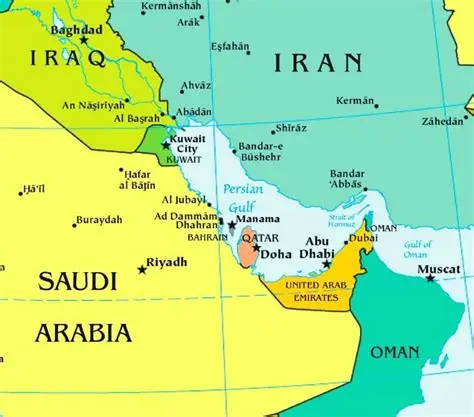
Mecca is more than a city. It is a symbol of unity, shared destiny, and collective responsibility. A defense pact rooted in Mecca carries a moral legitimacy no foreign alliance can replicate. It signals that Gulf nations are ready to define their own security future, not as isolated states, but as a unified region with a shared purpose.
The Mecca Accord will reaffirm civilizational identity, provide a neutral, universally respected center of gravity, and place security cooperation beyond political rivalry. It transforms defense from a transactional arrangement into a moral commitment, creating a foundation strong enough to withstand pressure, crisis, and external manipulation.
For decades, Gulf states have been trapped in cycles of mistrust, proxy conflict, and foreign interference. Expanding the Mecca Joint Defense Agreement breaks that cycle by replacing fear with collective security and rivalry with mutual defense. A unified pact closes the door on external powers exploiting regional divisions, neutralizes grievances by binding states to shared responsibility, reduces military spending, and creates a single regional deterrent capable of preventing escalation. It builds narrative unity, allowing Gulf nations to speak with one voice. This is how hostilities end. This is how prosperity begins. This is how the region steps into its rightful future.
The United States cannot remain trapped in a war without a viable regional security architecture. A unified Gulf defense pact provides exactly that: a stable, credible, region‑led mechanism that allows the U.S. to reduce its military footprint without leaving a vacuum. A Mecca‑anchored alliance offers a regional shield that reduces dependency, enables Washington to shift from military engagement to diplomatic support, lowers the risk of escalation involving global powers, and strengthens global energy stability and trade routes. This is not about abandoning partnerships; it is about rebalancing them to empower the region and stabilize the world.
Security is the foundation of prosperity. When Gulf states stop preparing for war and start preparing for growth, the entire region benefits. A unified defense pact unlocks regional infrastructure corridors, energy cooperation and grid integration, shared technology and innovation hubs, tourism and cultural exchange, and coordinated investment strategies. This is how the Gulf becomes not just a secure region, but a prosperous civilization.
The Gulf stands at a crossroads. It can continue down the path of fragmentation, where every crisis becomes a doorway for outside interference, or it can choose a future worthy of its history, its faith, and its people. A unified Mecca Defense Pact is not optional; it is essential. It is the mechanism through which the Gulf can stabilize itself, the United States can exit the war responsibly, the wider world can regain balance, and the region can finally prosper without fear and uncertainty. It is how Gulf residents can finally know peace and tranquility.
This moment demands courage. This moment demands unity. This moment demands commitment. The Gulf can rise together, sovereign, secure, and steadfast, under one defense umbrella rooted in Mecca, the heart of the Muslim world.
In closing, Gulf citizens deserve to live with the same safety, stability, and everyday freedom enjoyed by people in any Western European country. They deserve streets where families walk without fear, economies that reward hard work with opportunity, and governments that protect their future instead of preparing for endless conflict. They deserve the quiet confidence that tomorrow will be better than today. A unified Mecca Defense Pact is not just a strategic necessity; it is a moral obligation to deliver a standard of life worthy of their humanity, their history, and their hopes. The people of the Gulf have waited long enough. Their future must finally rise to meet their dignity.