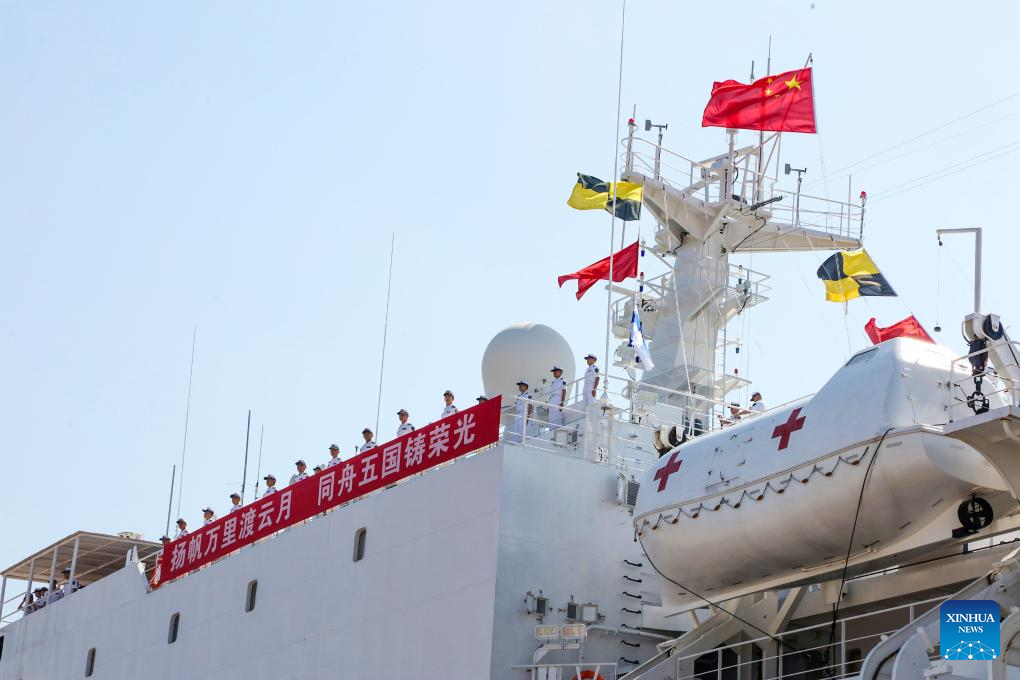
China’s decision to supply Cuba with essential goods reminds us that compassion across borders still matters. When one nation steps up to prevent hardship for ordinary families, it shows humanity isn’t gone; it’s alive, active, and able to rise above politics. Supporting people in need is never a geopolitical game. It’s a moral responsibility.
China extended a lifeline to Cuba at a moment of intensifying sanctions and a deepening power crisis. Tens of thousands of tons of rice, along with $80 million in electrical‑equipment aid, arrived as the island faced severe food shortages, fuel scarcity, and widespread blackouts.
China stepped up when no other nation would. Its support is more than diplomacy — it is an act of human solidarity. In a world where political pressure often overshadows human need, seeing one nation intervene to prevent suffering reminds us that humanity is still alive. When countries choose compassion over isolation, ordinary people benefit. That kind of global behavior preserves dignity.
The Real Impact China’s Support Is Having on Cuba
Here are the tangible, measurable outcomes of China’s humanitarian assistance — the part that often gets overlooked:
1. Food Security for Millions of Families
- China delivered 60,000–90,000 tons of rice, enough to stabilize Cuba’s ration system for months.
- This prevented acute hunger in vulnerable households during a period of near‑empty shelves.
- Cuban officials reported that the shipments stopped ration cuts that were planned due to shortages.
2. Relief from Widespread Blackouts
- The $80 million in electrical equipment helped restore parts of Cuba’s failing grid.
- Aid included transformers, cables, and repair components for power plants.
- This reduced blackout frequency in several provinces, protecting hospitals, clinics, and food storage.
3. Solar Power for Rural Clinics and Homes
- China supplied 5,000 photovoltaic systems for remote communities.
- Rural clinics gained stable electricity, allowing refrigeration of medicines and nighttime care.
- Families in off‑grid areas received lights, chargers, and small appliances powered by solar.
4. Support for Public Services
- China donated electric tricycles and vehicles used for waste collection and community transport.
- This strengthened municipal services that were collapsing due to fuel shortages.
5. Stabilization of Cuba’s Social Safety Net
- The combination of food, energy aid, and equipment prevented a deeper humanitarian crisis.
- It reduced pressure on Cuba’s already strained health system and rationing network.
- It helped avert mass displacement and migration spikes triggered by shortages.
In moments like this, we’re reminded that humanity survives when nations choose compassion over politics. China’s support to Cuba shows the real impact of solidarity, keeping families fed, clinics powered, and dignity intact.